
Unlocking the Secrets of Biohacking Your Sleep Cycle: A Guide to Better Rest and Enhanced Well-being
Are you tired of feeling exhausted, despite seemingly long hours of sleep? In the quest for health and productivity, a good night’s rest is paramount. Unlocking the secrets of biohacking your sleep cycle could be the breakthrough you need to boost your energy, sharpen your mind, and improve your overall life quality. This article will dive into actionable tips and unveil strategies on how you can manipulate your sleep patterns for optimal rest.
Introduction to Biohacking Your Sleep
Biohacking represents the next frontier in personalized health and wellness—an intimate understanding and manipulation of one’s own body systems for optimal performance. Particularly, biohacking your sleep involves tweaking various aspects of your lifestyle and environment to promote better sleep quality and adjust your body’s internal clock to your advantage. This can translate to waking up refreshed, maintaining high energy levels throughout the day, and even potentially staving off various health issues.
Understanding the Sleep Cycle
Before we delve deep into sleep optimization techniques, it’s crucial to understand how sleep works. The sleep cycle is composed of multiple stages, including non-rapid eye movement (NREM) sleep and rapid eye movement (REM) sleep. Each plays vital roles, from tissue repair and growth to memory consolidation and cognitive function.
Biohacking your sleep starts with optimizing these cycles. The goal is to enhance both the quality and efficiency of sleep, allowing the body and brain to rejuvenate fully.
Practical Steps to Biohack Your Sleep Cycle
1. Regulate Light Exposure
- Morning Light: Start your day with exposure to natural sunlight or a bright light device to reset your circadian rhythm, signaling your body to wake up.
- Reduce Blue Light at Night: Limit exposure to blue light from screens at least an hour before bedtime, as it can disrupt melatonin production, making it harder to fall asleep. Use apps or wear glasses that block blue light if needed.
2. Optimize Your Sleep Environment
- Temperature: Keep your bedroom at a cooler temperature, between 60-67 degrees Fahrenheit (15.5-19.4°C), to promote deeper sleep.
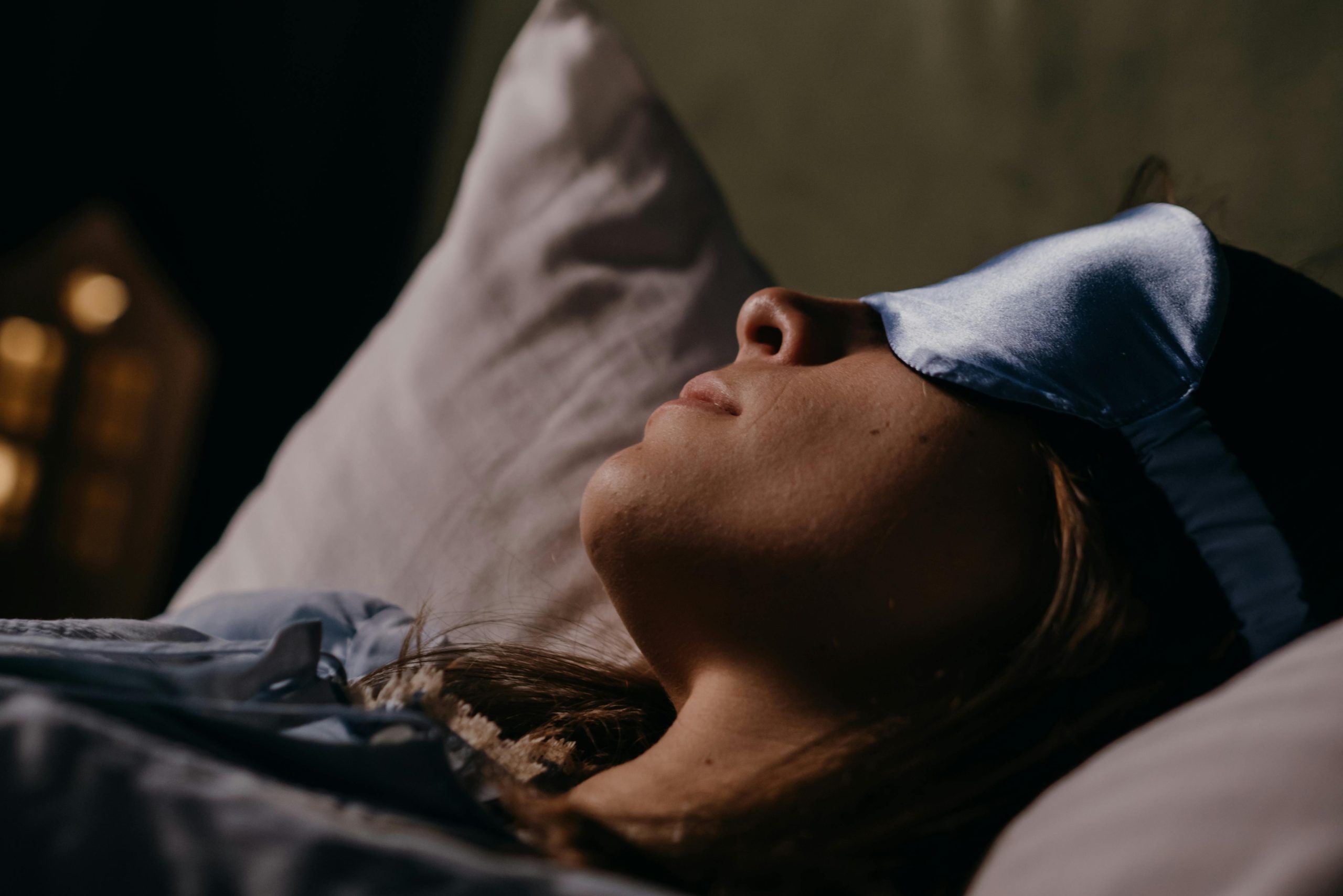
- Darkness: Use blackout curtains or a sleep mask to block out light, creating an ideal environment for melatonin production.
- Noise: Consider white noise machines if your environment is not quiet, as consistent, ambient sounds drown out other disruptions.
3. Adopt a Consistent Sleep Schedule
- Going to bed and waking up at the same time every day (even on weekends) helps to regulate your body’s internal clock and can improve your sleep quality over time.
4. Mind Your Diet
- Caffeine and Alcohol: Avoid intake of caffeine and alcohol close to bedtime as they can disrupt sleep patterns.
- Sleep-Inducing Foods: Incorporate foods high in magnesium, like almonds and spinach, or tryptophan, like turkey or milk, to prompt your body towards relaxation and sleep.
5. Pre-sleep Routine
- Develop a pre-sleep ritual to tell your body it’s time to wind down. This might include reading, meditation, light stretching, or breathing exercises.
6. Leverage Technology and Supplements Wisely
- Use sleep trackers to gather data about your sleep patterns and adjust your habits accordingly.
- Consider supplements like melatonin, magnesium, or valerian root after consulting with a healthcare provider.
FAQs on Biohacking Your Sleep Cycle
Q1: How long does it take to see results from biohacking my sleep?
A1: Some changes, like adjusting light exposure, might show effects within a few days. Others, such as changing eating habits or establishing a regular sleep schedule, may take longer—usually a few weeks—to noticeably impact sleep quality.
Q2: Is it necessary to use technology or supplements to biohack my sleep?
A2: While not strictly necessary, technology can provide insights into your sleep patterns, and supplements might help correct deficiencies that impact sleep. However, the most powerful changes often come from lifestyle adjustments.
Q3: Can I biohack my sleep if I work night shifts?
A3: Yes, though more challenging, you can adapt these strategies for night shift work. Focus particularly on managing light exposure to influence your circadian rhythm and optimize your sleep environment for daytime sleeping.
Conclusion
Unlocking the secrets of biohacking your sleep cycle isn’t just about combating insomnia or reducing sleep latency; it’s about enhancing your daily energy, focus, and overall health. Integrating these biohacking tips provides a personalized toolkit that can reshape your sleep architecture, offering profound benefits. Remember, the key to successful biohacking lies in consistency and adaptability. As your lifestyle changes, so too might your sleep needs, requiring tweaks to your approach. Here’s to a brighter, more energetic morning and a restful night’s sleep!
By applying these principles, you’re well on your way to unlocking the secrets of biohacking your sleep cycle, leading to a more vibrant and productive life.