
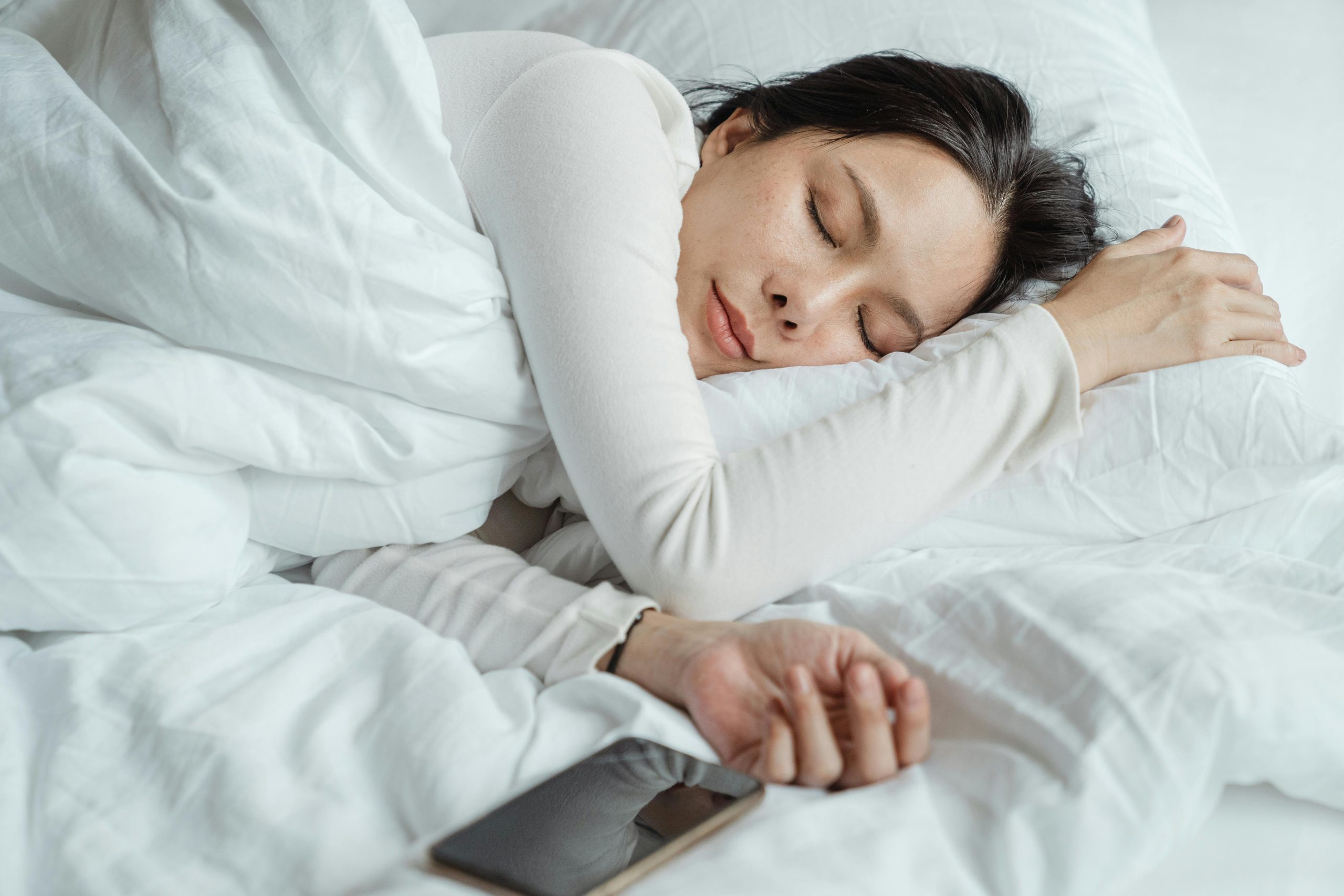
Unlock Better Sleep: Exploring the Impact of Light on Your Sleep Cycle Through Biohacking
Do you toss and turn at night, struggling to drift off or stay asleep? You’re not alone. In our fast-paced, screen-saturated world, sleep issues are increasingly common. But what if you could enhance your sleep quality simply by tweaking your light exposure? Enter the concept of biohacking. Today, we’re diving into how you can unlock better sleep by exploring the impact of light on your sleep cycle through biohacking.
Introduction to Biohacking Your Sleep
Biohacking may sound like something out of a science-fiction novel, but it’s actually a practical approach to optimizing your body’s functions. At its core, biohacking involves making small, incremental lifestyle changes to make significant improvements in your health and wellbeing. When it comes to sleep, light exposure plays a crucial role in regulating your internal clock, or circadian rhythm, which determines your sleep patterns.
Understanding the Science of Light and Sleep
Light is the most powerful regulator of our biological clock. The exposure to natural sunlight or artificial light influences our body’s production of melatonin, the hormone responsible for sleep. Bright light in the morning helps suppress melatonin production, waking us up, while dimming lights at night signals our brain that it’s time to sleep.
This intricate dance between light and melatonin production is crucial for healthy sleep, and misalignment can lead to sleep disturbances. That’s where biohacking comes into play. By adjusting the type, timing, and intensity of light you’re exposed to, you can biohack your sleep cycle for better rest.
How to Biohack Your Light Exposure for Better Sleep
-
Maximize Natural Light During the Day: Try to get ample natural sunlight in the morning and throughout the day. This helps maintain a healthy circadian rhythm, boosting your alertness during the day and enhancing your sleep quality at night. Take morning walks or arrange your workspace to receive plenty of sunlight.
-
Limit Blue Light at Night: Blue light emitted by screens can be particularly disruptive for your sleep as it significantly inhibits melatonin production. Reducing screen time before bed is a crucial step in biohacking your sleep. Consider using apps that filter blue light or wear blue light-blocking glasses in the evening.
-
Smart Lighting in Your Home: Invest in smart lighting solutions that adjust the color temperature based on the time of day. Lights that emulate natural sunlight during the day and warmer tones at night can help reinforce your body’s natural rhythms.
-
Consistent Sleep/Wake Times: Going to bed and waking up at the same time each day (even on weekends) reinforces your natural circadian rhythm, improving your overall sleep quality. Consistency is key in any biohacking strategy.
-
Use of Red Light Before Bed: Red light has a lower color temperature compared to blue light and does not inhibit melatonin production as much. Using red light sources in the evening can help support your body’s natural transition to sleep.
FAQs About Unlocking Better Sleep Through Biohacking
Q1: How quickly can I see results from biohacking my sleep?
A1: Many people notice improvements within a few days, especially when they reduce blue light exposure at night and increase natural light during the day.
Q2: Are there any risks associated with biohacking your sleep?
A2: Generally, adjusting light exposure is safe for most people. However, it’s always good practice to consult with a healthcare provider if you have significant sleep issues or other health conditions.
Q3: Can I use regular sunglasses to block blue light?
A3: Regular sunglasses are not designed to filter out blue light effectively. It’s better to use specially designed blue light-blocking glasses.
Q4: What if I can’t access natural sunlight during the day?
A4: If natural sunlight is scarce, consider using a light therapy box. These devices can simulate sunlight and are often used to treat Seasonal Affective Disorder (SAD), but can also help in regulating sleep.
Conclusion
Unlock better sleep by exploring the impact of light on your sleep cycle through biohacking has the potential to transform not just your nights, but also your days. By understanding and managing your light exposure, you can reinforce your natural sleep-wake cycle and enhance your overall health and vitality. Start with small changes, like managing blue light and getting more natural sunlight, and soon you might just find yourself waking up feeling refreshed and ready to tackle the day.
Brightening your day and enriching your night doesn’t require drastic changes, just some insights into the workings of your body and the effects of light. Embrace the science of sleep through biohacking, and unlock the secret to a better night’s rest. Sleep well, live better!