
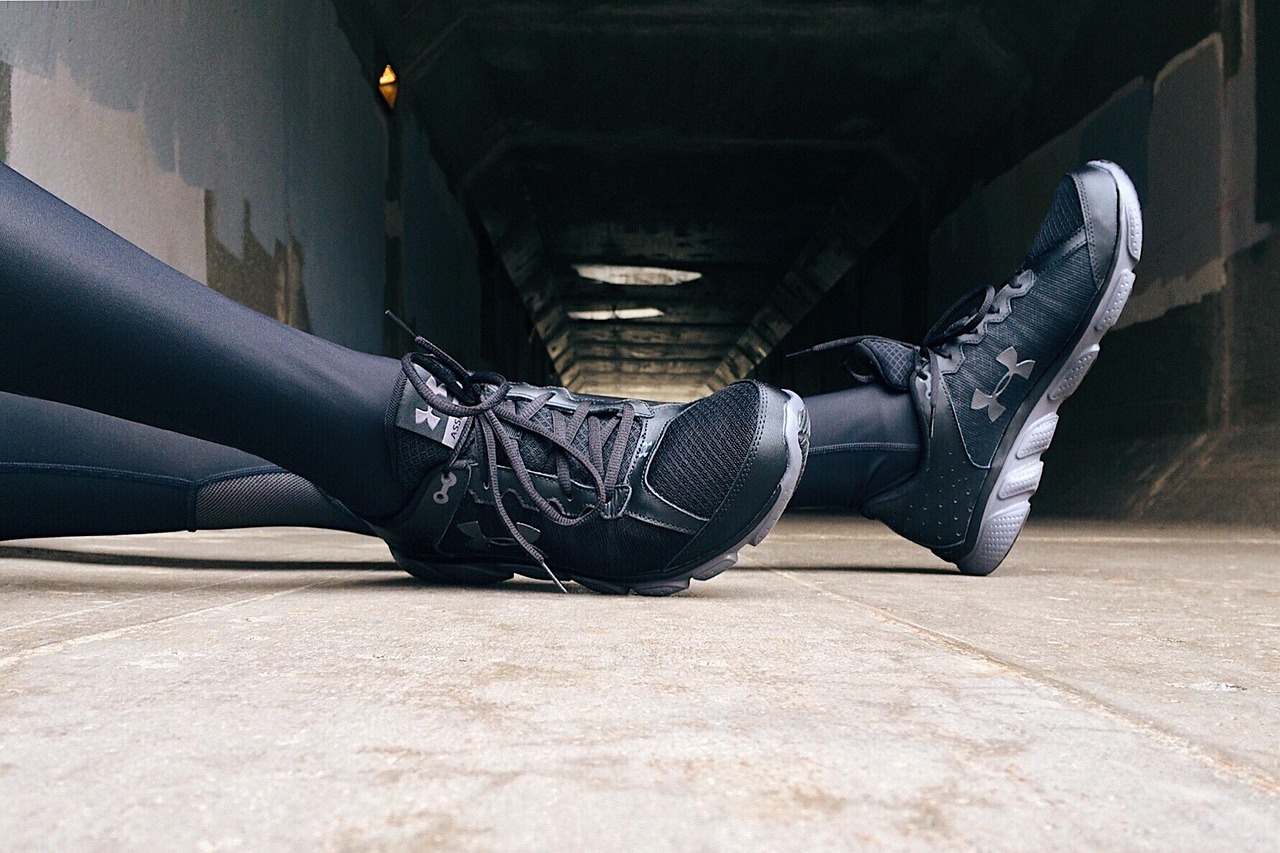
Maximize Your Fitness: Essential Workout Recovery Hacks for Better Results
Optimizing your fitness routine isn’t only about how hard you train, but also about how well you recover. Post-workout recovery is crucial to muscle and tissue repair, as well as strength building. This means taking recovery seriously is essential if you want to maximize your fitness results. Whether you’re a seasoned athlete or a fitness newbie, understanding the best recovery practices is crucial to enhancing performance and avoiding injury. In this blog post, we’ll explore some indispensable workout recovery hacks to help you achieve better results and keep your body in top condition.
1. Prioritize Cooling Down
After a strenuous workout, your body is in a heightened state, with increased heart rate and blood circulation. Cooling down helps to gradually reduce your heart rate and prevent stiffness, making it a crucial step in your workout routine. A proper cool down can involve 5 to 10 minutes of stretching or a light form of your exercise at a slower pace. This not only assists in alleviating immediate muscle soreness but also contributes to better flexibility.
2. Hydrate, Hydrate, Hydrate
Hydration is key in any fitness regimen, yet its importance skyrockets during the recovery phase. Fluids help to flush out toxins the body accumulates during exercise and aid in maintaining optimal joint and muscle function. Make sure to drink plenty of water post-workout, and consider beverages that replenish electrolytes to restore the mineral balance that can be disrupted during intense physical activity.
3. Nutrition: Fuel for Recovery
Your body needs the right nutrients to repair muscles and replenish energy stores after a workout. Proteins and carbohydrates are particularly crucial. Protein aids in muscle repair, while carbohydrates replenish glycogen stores that your body depletes when exercising. Eating a balanced meal containing both macronutrients within two hours of your workout can dramatically improve recovery effectiveness.
4. Get Quality Sleep
Sleep is perhaps the most underrated recovery tool at your disposal. During sleep, processes of muscle repair and psychological restoration occur, making adequate sleep critical for those looking to maximize their fitness outcomes. Aim for 7-9 hours of quality sleep per night, and consider incorporating practices like reducing screen time before bedtime to improve sleep quality.
5. Active Recovery Days
Instead of sitting completely idle on your rest days, consider active recovery. Activities like yoga, light walking, or a slow bike ride can stimulate blood flow to muscles without straining them. This kind of gentle movement can help ease muscle tightness and promote a faster recovery.
6. Utilize Massage and Foam Rolling
Massage therapies and foam rolling serve as tools to aid in the breaking down of knots in muscles and improving blood circulation. Regular massage therapy can help reduce muscle tightness and enhance flexibility, making it a valuable component of a recovery routine. Foam rolling, on the other hand, can be done at home and offers similar benefits, including improved range of motion and decreased recovery time.
7. Listen to Your Body
The most underappreciated hack is perhaps listening to what your body is telling you. If you feel overly fatigued or notice diminished performance, these could be signs of inadequate recovery. Adjusting your workout intensity or incorporating more rest days might be necessary to ensure long-term physical health and fitness progression.
FAQs
Q: How often should I incorporate active recovery sessions?
A: Aim for at least one to two active recovery sessions per week, especially if you’re training hard on other days. These sessions should be low intensity to help promote blood flow and aid recovery.
Q: What are the best foods to eat for recovery?
A: Focus on proteins such as chicken, fish, eggs, and plant-based sources like lentils and chickpeas. Combine these with carbohydrates such as rice, pasta, sweet potatoes, and quinoa. Don’t forget to include fruits and vegetables for their vitamins and minerals.
Q: Can stretching post-workout reduce muscle soreness?
A: While stretching is beneficial for flexibility and cooldown, its effectiveness in preventing muscle soreness is mixed according to scientific studies. However, it can aid in relaxation and potentially help in minor soreness and stiffness reduction.
Q: How does sleep affect my fitness results?
A: Sleep directly affects physical performance, recovery rates, cognitive function, and hormonal balance. Poor or insufficient sleep can derail your fitness goals by causing increased fatigue, decreased motivation, and a higher susceptibility to injuries.
Conclusion
Recovery should never be an afterthought in your fitness journey. Implementing these essential workout recovery hacks will help you not only maximize your fitness results but also maintain a healthy, balanced approach to your overall training routine. Remember, the goal of recovery is not just to repair but also to enhance your body’s capability to perform day after day. Start taking your recovery as seriously as your workouts, and watch as your performance potentially skyrockets.
Work on mastering the art of recovery and seamlessly integrate these practices into your routine. Your body will thank you, and you will be well on your path to achieving better and more sustainable fitness outcomes.